
Coughing Cat: Causes, Concerns, and When to See the Vet
Cats are known for many things: their mysterious personalities, their incredible agility, and yes, the occasional hairball. But a coughing cat is something that deserves more than a passing glance. Unlike the theatrical hairball hack most cat owners know well, a true cat cough can signal anything from a minor irritation to a serious underlying health condition. Understanding what’s normal, what’s not, and when it’s time to call your veterinarian can make all the difference in your cat’s wellbeing. Read on to learn what that cough might be telling you.
What Does a Cat Cough Actually Look Like?
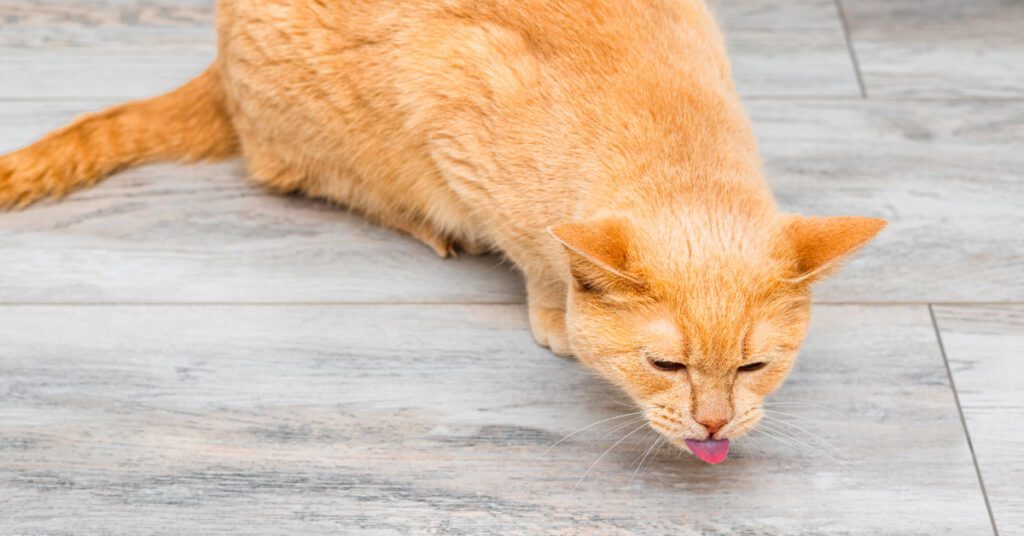
Many cat owners aren’t sure whether their cat is coughing, gagging, or attempting to bring up a hairball. These can look surprisingly similar, but they’re different in important ways. A true cough in cats typically involves a repeated, forceful expulsion of air from the lungs. The cat may crouch low, extend their neck, and appear to be straining. Wheezing or a high-pitched sound may accompany the cough.
Coughing vs. Gagging vs. Vomiting
Gagging is associated with the upper digestive tract and often precedes vomiting. Coughing originates in the respiratory tract, the lungs and airways. A hairball episode typically ends with the cat expelling a cylindrical mass of fur, whereas a cat who is coughing may not produce anything at all. If you’re unsure what you’re seeing, a short video taken during an episode can be incredibly helpful when you bring your cat in for an exam.
Potential Causes of Coughing in Cats
A coughing cat can have many potential causes, ranging from mild and temporary to chronic and serious. Some of the most common reasons a cat coughs include respiratory infections, asthma, allergies, heartworm disease, and foreign body irritation. Identifying the cause requires a thorough veterinary evaluation, which is why a professional examination is so important when coughing becomes noticeable or persistent.
Feline Asthma
Feline asthma occurs when the airways become inflamed and constricted, often triggered by environmental factors like dust, pollen, cigarette smoke, or certain cleaning products. A cat with asthma may cough regularly and sometimes experience acute episodes that appear similar to an asthma attack in humans. Feline asthma is a manageable condition, but it does require a veterinary diagnosis and a treatment plan.
Upper Respiratory Infections
Upper respiratory infections in cats are similar to the common cold in humans and are extremely common, especially in cats who have spent time in shelters or multi-cat environments. These infections are usually caused by viruses such as feline herpesvirus or calicivirus. Along with coughing, an infected cat may sneeze, have nasal or eye discharge, or seem lethargic. Many cats recover with supportive care, though veterinary treatment is often needed to prevent complications.
Heartworm Disease in Cats
Heartworm disease in cats often presents differently than it does in dogs. Rather than heart-related symptoms, cats with heartworm frequently show respiratory signs, including coughing. This condition, sometimes called heartworm-associated respiratory disease (HARD), can be serious and is often overlooked because heartworm in cats is less commonly screened for. If your cat coughs and spends any time outdoors, heartworm should be on your vet’s list of possibilities to rule out.
Lungworm and Other Parasites
Certain parasites, including lungworms, can cause chronic coughing in cats. Cats who hunt or spend time outdoors are at higher risk. Lungworm infections can mimic the symptoms of asthma and may be missed without specific diagnostic testing. Your veterinarian can run tests to determine whether parasites are contributing to your cat’s cough.
Foreign Bodies and Irritants
Cats are curious creatures and sometimes inhale small particles that irritate or partially obstruct the airway. Grass seeds, pieces of toys, or inhaled household chemicals can all cause a sudden coughing episode. If your cat’s cough comes on abruptly and seems severe, a foreign body in the airway should be considered a possibility and warrants prompt veterinary attention.
When Is a Cat Cough an Emergency?
Not every cough requires an emergency visit, but some situations are urgent and should not be ignored. Knowing the difference between a concerning cough and a life-threatening one can help you act quickly when it matters most.
Signs That Require Immediate Veterinary Care
Seek emergency veterinary care right away if your coughing cat is also breathing with an open mouth, gasping for air, showing blue or grey gums, collapsing, or appears to be in severe distress. These signs may indicate a severe asthma attack, fluid in the chest, or another life-threatening respiratory condition. In these cases, time matters.
When to Schedule a Veterinary Appointment
A non-emergency appointment is appropriate when your cat has been coughing for more than a day or two, coughs repeatedly throughout the day, shows any change in behavior or appetite alongside the cough, or has a history of respiratory issues. Any cough in a kitten or a senior cat also warrants prompt evaluation. It’s always better to have your vet rule out something serious than to wait and see.
How Does a Vet Diagnose a Coughing Cat?
Diagnosing the cause of a cat’s cough involves more than just a physical exam, though that’s always the starting point. At Lagniappe Animal Health, we will listen to the lungs and heart, evaluate the cat’s overall condition, and ask questions about the cough’s frequency, duration, and any other symptoms you’ve noticed. From there, additional diagnostics may be recommended.
Diagnostic Tests Your Vet May Recommend
Chest X-rays are one of the most valuable tools for evaluating a coughing cat, as they can reveal signs of asthma, pneumonia, heart disease, or masses in the chest. Blood work, fecal testing for parasites, heartworm testing, and bronchoscopy may also be recommended depending on what your vet suspects. Getting an accurate diagnosis is the only way to ensure your cat receives the right treatment.
Your Cat’s Cough Deserves a Closer Look
A coughing cat may not always point to something serious, but it’s never something to write off without professional guidance. Early diagnosis leads to better outcomes, especially for conditions like asthma and heartworm disease that can worsen over time without proper management. If your cat has been coughing or you’ve noticed any changes in their breathing, don’t wait. Call Lagniappe Animal Health at (318) 255-3303 to schedule an exam. Our team is ready to help you get answers and get your cat back to feeling their best.
