
Dog Paw Yeast Infection: A Guide to Relief and Prevention
Yeast infections on a dog’s paws are uncomfortable, irritating, and often recurring if left unchecked. If your dog has been licking, chewing, or limping, there could be more going on beneath the surface. A dog paw yeast infection can cause swelling, itching, odor, and visible redness, making even a short walk painful. These infections often thrive in warm, moist environments, especially between the toes and paw pads. Below, we’ll break down what causes yeast overgrowth, how you can recognize the signs early, and what steps you can take to help your dog stay comfortable. If you notice any of these signs in your pet, give Lagniappe Animal Health in Ruston a call at (318) 255-3303 or schedule an appointment with us today.
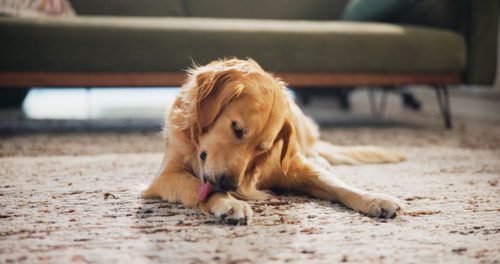
What Is a Dog Paw Yeast Infection?
A dog paw yeast infection occurs when the naturally occurring yeast on your dog’s skin grows out of balance. This yeast (Malassezia pachydermatis) is typically harmless in small amounts, but when the skin’s environment changes, yeast can multiply rapidly and cause infection. Dogs with compromised skin barriers, allergies, or moisture trapped between their toes are especially prone to yeast infections. The infection often shows up as persistent licking or chewing of the paws, accompanied by a distinct odor many describe as “corn chip”-like.
While yeast infections can affect other areas like the ears or skin folds, the paws are a frequent trouble spot due to their constant exposure to dirt, water, allergens, and humidity. Without proper intervention, the infection can become chronic and lead to secondary skin issues. Understanding how to spot the signs early and knowing when to seek help makes a big difference in your dog’s comfort and long-term paw health.
Signs Your Dog May Have a Yeast Infection on Their Paws
Dogs can’t tell you when something’s wrong, but they often show it through behavior and physical symptoms.
Behavioral Indicators
- Excessive licking or chewing at the paws
- Reluctance to walk or play
- Frequent shaking or nibbling of the feet
- Pawing at the ground or scratching at surfaces
These behaviors are often your dog’s way of trying to relieve the itching and discomfort caused by the yeast overgrowth.
Physical Symptoms
- Redness or discoloration between the toes
- Swelling or puffiness around the paw pads
- Cracked, scaly, or thickened skin
- Brownish or rust-colored staining from saliva
- A musty or cheesy odor coming from the paws
If your dog is exhibiting any of these signs, especially a combination of behavioral and physical symptoms, a visit to your veterinarian at Lagniappe Animal Health is the next step.
What Causes Yeast Infections on a Dog’s Paws?
Several underlying factors can trigger a dog paw yeast infection.
Moisture and Warmth
Moisture is one of the biggest contributors. After a swim, bath, or rainy day walk, moisture trapped between your dog’s toes creates the perfect environment for yeast to multiply. Dogs with long fur or compact toes are especially susceptible.
Allergies
Environmental allergies to grass, pollen, mold, or dust mites can cause chronic inflammation in your dog’s skin. Food allergies may also play a role. This inflammation disrupts the skin’s natural barrier and makes it easier for yeast to overgrow.
Immune System Imbalance
Dogs with weakened immune systems or underlying medical conditions (like endocrine disorders) may struggle to regulate yeast levels on their skin. Certain breeds such as Bulldogs, Dachshunds, Cocker Spaniels, and Shih Tzus may also be genetically predisposed to yeast issues.
Diagnosing a Dog Paw Yeast Infection
Getting an accurate diagnosis is key to effective treatment. Your veterinarian will perform a thorough exam and may collect samples from your dog’s paws to check for yeast under a microscope. This diagnostic step helps rule out other conditions like bacterial infections, mites, or contact dermatitis. Since the symptoms of a dog paw yeast infection can overlap with other skin problems, a proper diagnosis is essential for targeting the right treatment approach.
Your veterinarian will evaluate your dog’s full medical history, ask about recent diet changes, and assess any ongoing skin or allergy issues. This information helps shape a comprehensive care plan based on your dog’s individual needs.
How Are Dog Paw Yeast Infections Treated?
Once your veterinarian has confirmed a dog paw yeast infection, they will determine the most appropriate treatment based on the severity and cause. Treatment may include a combination of topical therapies and addressing any underlying health conditions.
Topical Medications
These often include medicated wipes, sprays, shampoos, or ointments designed to reduce yeast populations and soothe irritated skin. Antifungal ingredients like chlorhexidine or miconazole are commonly used to manage the infection locally.
Addressing Underlying Causes
If allergies or immune system issues are contributing to the infection, your veterinarian may recommend supportive care such as dietary adjustments, supplements, or allergy testing. These steps aim to reduce inflammation and restore the skin’s natural defenses.
Monitoring and Follow-Up
Treatment doesn’t end once the symptoms improve. Ongoing monitoring and follow-up care are important to prevent recurrence. Your veterinarian will guide you on how often to check your dog’s paws, what products to use, and when to schedule a recheck.
Tips for Preventing Future Yeast Infections on Your Dog’s Paws
Once your dog has had a yeast infection on their paws, you’ll want to stay proactive to help prevent future flare-ups. Prevention strategies focus on managing your dog’s environment, grooming habits, and overall health.
- Keep Paws Clean and Dry: After your dog walks in wet or muddy conditions, be sure to gently dry their paws, especially between the toes. Routine wiping or rinsing with vet-approved paw cleansers can also reduce allergens and bacteria that may contribute to infections.
- Maintain a Healthy Diet: Nutrition plays a role in your dog’s skin health. Feeding a high-quality, balanced diet tailored to your dog’s needs can support their immune system and skin barrier. Your veterinarian may also recommend supplements like omega-3 fatty acids for added support.
- Grooming and Paw Care: Trimming excess fur between the paw pads helps reduce moisture buildup and improves airflow. Regular grooming not only keeps your dog comfortable but also allows you to spot signs of irritation or infection early.
- Monitor for Early Signs: Pay attention to changes in your dog’s behavior or appearance. Early intervention often means shorter treatment times and less discomfort for your pet. If you ever notice signs of a dog paw yeast infection, reach out to your veterinary team for guidance.
When to Schedule a Visit to Lagniappe Animal Health
Even with the best prevention efforts, some dogs are prone to recurrent dog paw yeast infections. If your dog is showing signs of discomfort or if you suspect an infection, don’t wait. Lagniappe Animal Health is ready to help. Our team in Ruston is experienced in diagnosing and managing skin conditions, and we’re happy to work with you to improve your dog’s comfort and health. Call us at (318) 255-3303 or schedule an appointment online to have your pet examined. The sooner we identify the issue, the sooner we can help your dog get back to feeling like themself again.
