
Dog Toothpaste: Choosing the Right One for Your Pet
If you’ve ever wondered whether your dog needs their own toothpaste, yes, they absolutely do, and no, yours will not work. Dog toothpaste is specially formulated for your pet’s unique dental needs and digestive system, and choosing the right one can make a significant difference in their long-term health. Dental disease is one of the most common conditions seen in dogs, yet it’s also one of the most preventable. Whether you’re just starting a dental care routine or looking to upgrade what you’re already using, this blog covers everything you need to know to make the best choice for your pup.
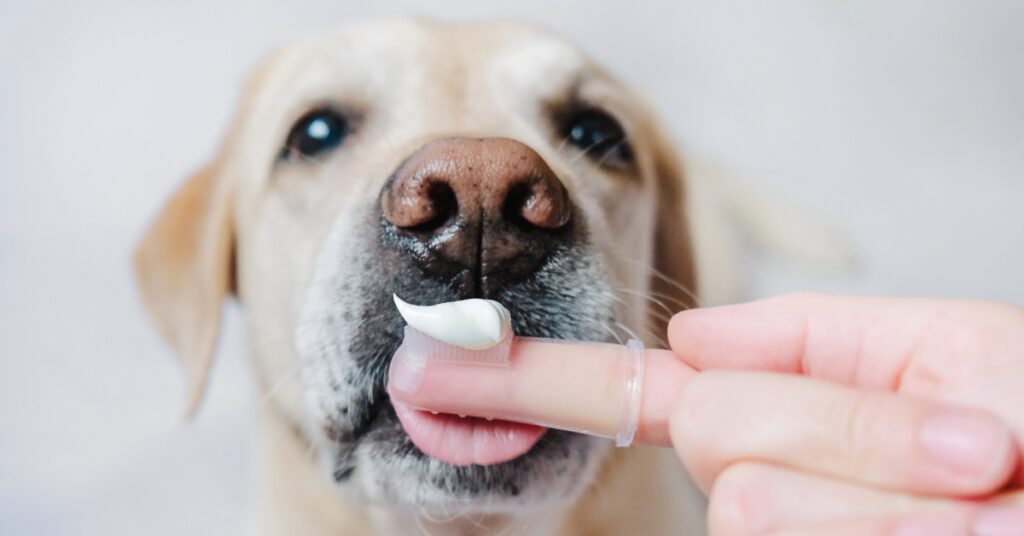
Why Dog Toothpaste Is Different from Human Toothpaste
Human toothpaste may seem like a convenient option, but it can actually be dangerous for dogs. The ingredients in standard toothpaste including fluoride, xylitol, and sodium lauryl sulfate are toxic to dogs, even in small amounts. Dogs cannot spit, so they swallow everything that goes into their mouth. That’s exactly why dog-safe toothpaste exists, and it’s why veterinarians emphasize using only products specifically designed for pets.
Toxic Ingredients to Avoid
When shopping for toothpaste for dogs, always check the ingredient list. Fluoride, xylitol, and artificial sweeteners are the most concerning culprits in human dental products. Xylitol in particular can cause a rapid drop in blood sugar and liver failure in dogs. Dog toothpaste is designed to be safe when swallowed and free of these harmful compounds.
Enzymatic Formulas and How They Work
Many of the best dog toothpaste options use an enzymatic formula. These toothpastes contain enzymes (most commonly glucose oxidase and lactoperoxidase) that naturally break down plaque and bacteria in the mouth. The enzymatic action continues working even after brushing, providing extended protection between sessions. If your veterinarian recommends a dental routine, enzymatic toothpaste is often the first suggestion they’ll make.
What to Look for in Dog Toothpaste
Not all dog toothpastes are created equal. There are a few key factors worth evaluating when you’re standing in the pet store aisle or browsing online for the right product for your dog.
Flavor
Dogs are much more likely to cooperate with tooth brushing when they actually enjoy the taste of their toothpaste. Common dog toothpaste flavors include poultry, beef, peanut butter, and vanilla mint. Choosing a flavor your dog finds appealing can transform brushing from a struggle into something they look forward to. This small detail often makes or breaks the success of a home dental care routine.
Texture and Consistency
Some dogs tolerate gel-based toothpastes better, while others do well with a paste. Gels tend to spread more easily along the gum line and between teeth, which can be helpful for dogs who don’t love the brushing process. Pastes tend to provide a bit more scrubbing texture. Experimenting with both can help you find the right fit for your individual dog.
Veterinary Seal of Acceptance
Look for products that carry the Veterinary Oral Health Council (VOHC) Seal of Acceptance. This seal indicates that the product has been independently tested and proven to reduce plaque or tartar in dogs. Products with this designation have gone through rigorous review and are among the most trusted options available for pet dental care.
How Often Should You Brush Your Dog’s Teeth?
Veterinarians recommend brushing your dog’s teeth daily for the best results. Daily brushing removes the plaque that builds up throughout the day and prevents it from hardening into tartar, which can only be removed during a professional dental cleaning. Even brushing three to four times per week offers significant benefits over no brushing at all.
Getting Your Dog Comfortable with Brushing
If your dog has never had their teeth brushed before, take a gradual approach. Start by letting them sniff and lick the toothpaste. Then move to gently rubbing it along their gums with your finger before introducing a brush. A soft-bristled dog toothbrush, a finger brush, or a dental brush designed for pets all work well. Consistency and patience go a long way in building positive associations with the routine.
Is Dog Toothpaste Enough on Its Own?
Dog toothpaste is a vital part of a home dental care routine, but it works best as part of a broader strategy. Dental chews, water additives, and dental diets can all complement regular brushing. However, none of these replace professional dental cleanings performed by your veterinarian. Professional cleanings allow your vet to examine below the gum line, take dental X-rays, and address any underlying issues that aren’t visible from the surface.
Signs of Dental Problems in Dogs
Even with a consistent brushing routine, dental disease can still develop. Signs that your dog may need a veterinary dental evaluation include bad breath, yellow or brown buildup on the teeth, swollen or bleeding gums, pawing at the mouth, difficulty chewing, or a reluctance to eat. These symptoms are worth a call to your vet right away.
Common Questions About Dog Toothpaste
Pet owners ask some great questions when it comes to dog dental hygiene. Here are a few that come up frequently.
Can I use baking soda to brush my dog’s teeth?
Baking soda is not recommended for use in dogs. Its high alkalinity can disrupt the acid balance in a dog’s digestive tract, causing stomach upset or more serious issues if swallowed regularly. Stick with toothpaste formulated specifically for pets.
What if my dog won’t let me brush their teeth?
Some dogs resist tooth brushing no matter how much patience you apply. If that’s your dog, talk to your vet about alternative dental care options. There are water additives, dental sprays, and prescription dental diets that can still make a real difference. Your vet can recommend the most effective combination based on your dog’s specific needs.
How much toothpaste should I use?
A small pea-sized amount is typically sufficient. Because dog toothpaste is safe to swallow, you don’t need to rinse after brushing, which is another reason using the right product matters so much.
Talk to Your Vet About Your Dog’s Dental Health
Your veterinarian is your best resource when it comes to choosing the right dog toothpaste and building a dental routine that actually works for your pet. Every dog is different: breed, size, age, and overall health all factor into what will serve them best. If your dog is due for a dental exam or you’re not sure where to start, reach out to our team at Lagniappe Animal Health. We’re here to help you make informed decisions and keep your dog’s smile healthy for years to come. Call us at (318) 255-3303 or schedule an appointment with us today.
