
Dog Vaccine Schedule: What to Expect at Every Life Stage
Vaccinating your dog is one of the most important things you can do to protect their health, and understanding the dog vaccine schedule takes the guesswork out of when and why each shot matters. From a puppy’s very first visit to the booster vaccines that carry them through their senior years, every stage of your dog’s life comes with specific immunization needs. This blog walks you through exactly what to expect, helps you understand which vaccines are required versus recommended, and explains why staying on schedule matters more than most pet owners realize.
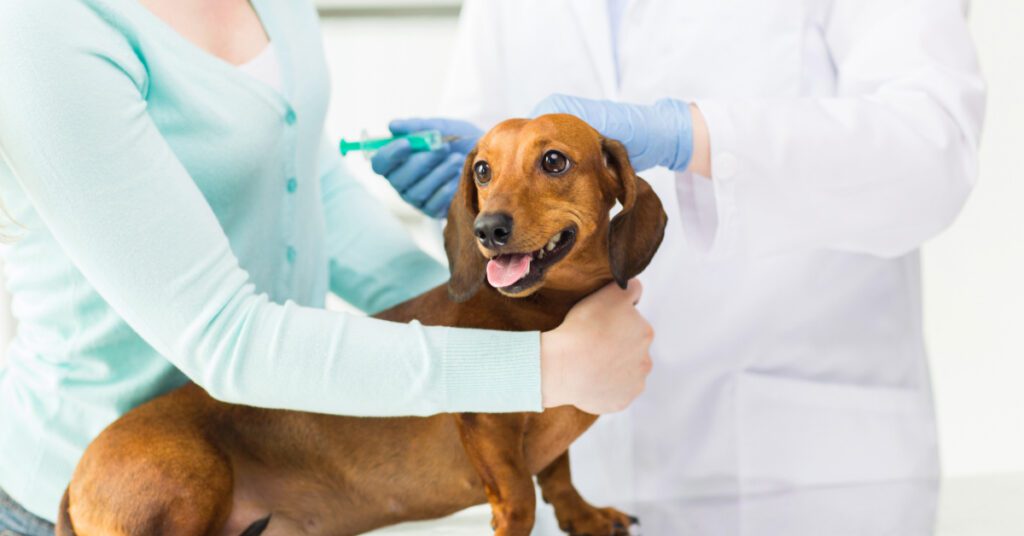
Why Vaccination Is Essential for Dogs
Vaccines work by training the immune system to recognize and fight specific diseases before a dog is ever exposed to them. Without vaccination, dogs are vulnerable to illnesses that can be severe, costly to treat, and sometimes fatal. Many of the diseases prevented by vaccines like distemper, parvovirus, and rabies are still present in the environment and can infect unvaccinated dogs. Vaccination is also a community health issue, since maintaining high immunization rates in the pet population helps prevent outbreaks.
Core vs. Non-Core Vaccines
Dog vaccines are divided into two categories: core and non-core. Core vaccines are recommended for every dog, regardless of lifestyle, because the diseases they prevent are widespread, severe, or transmissible to humans. Non-core vaccines are recommended based on a dog’s individual risk factors, such as geographic location, lifestyle, and exposure to other animals. Your veterinarian will help you determine which non-core vaccines are appropriate for your dog.
Puppy Vaccine Schedule
Puppies are born with some immunity passed down from their mother, but this maternal immunity fades during the first few months of life. The puppy vaccination schedule is designed to fill the gap as that maternal protection wanes, giving puppies strong immune coverage before they’re fully exposed to the world. The schedule typically begins at six to eight weeks of age and continues through sixteen weeks.
6 to 8 Weeks: First Vaccines
At six to eight weeks, puppies typically receive their first combination vaccine, often called the DHPP or DA2PP, which protects against distemper, adenovirus (hepatitis), parvovirus, and parainfluenza. This is also when your vet will perform an initial health assessment and discuss your puppy’s overall wellness plan, including parasite prevention and nutrition.
10 to 12 Weeks: Second Round
The second DHPP booster is given at ten to twelve weeks to build on the protection started at the first visit. At this appointment, your vet may also recommend the Bordetella vaccine, which protects against kennel cough, especially if your puppy will be attending puppy classes, boarding, or visiting dog parks. The leptospirosis vaccine may also be introduced at this stage.
14 to 16 Weeks: Final Puppy Boosters
Between fourteen and sixteen weeks, puppies receive their final DHPP booster along with their first rabies vaccine. The rabies vaccine is legally required in most states and is one of the most critical vaccines your dog will ever receive. By the time a puppy completes this series, they have a strong foundation of protection against the most dangerous and common infectious diseases.
Adult Dog Vaccine Schedule
Once a puppy completes their initial vaccination series, they transition into an adult vaccination schedule. Most core vaccines require booster doses at regular intervals to maintain protective immunity. Understanding the adult dog vaccine schedule helps you stay on top of appointments and avoid lapses in protection.
One-Year Boosters
Approximately one year after completing the puppy series, adult dogs receive booster doses for DHPP and rabies. This is an important milestone visit that also allows your veterinarian to assess your dog’s overall health, update any non-core vaccines, and screen for parasites. Don’t skip this appointment, even if your dog seems perfectly healthy.
Every One to Three Years: Ongoing Boosters
After the one-year booster, many core vaccines shift to a three-year schedule, though this varies by vaccine type and local regulations. Rabies vaccines are required either annually or every three years depending on your state’s laws and the type of vaccine used. Your vet will advise you on the appropriate intervals for each vaccine your dog receives. Some non-core vaccines, like Bordetella and leptospirosis, may require annual or even semi-annual boosters.
Senior Dog Vaccine Schedule
Senior dogs still need vaccinations, though the approach may be adjusted based on their individual health status. As dogs age, their immune systems can become less efficient, making protection from vaccines even more important. At the same time, older dogs with certain health conditions may require a more tailored vaccination plan.
Working with Your Vet on a Senior Vaccine Plan
Many veterinary organizations recommend evaluating each senior dog individually rather than applying a one-size-fits-all approach to vaccination. Your vet may recommend titer testing, a blood test that measures the level of immunity in your dog’s system, to determine whether a booster is necessary. This is particularly relevant for dogs with chronic illnesses or immune concerns. The conversation is always worth having during your dog’s annual wellness exam.
Non-Core Vaccines Worth Discussing with Your Vet
Depending on where you live and how your dog spends their time, several non-core vaccines may be strongly recommended. These vaccines address diseases that are not universal threats but can be serious risks for certain dogs based on their environment and activities.
Leptospirosis
Leptospirosis is a bacterial disease spread through the urine of infected animals, often transmitted through contaminated water or soil. Dogs who spend time outdoors, near bodies of water, or in areas with wildlife are at elevated risk. Leptospirosis can also be transmitted to humans, making vaccination an important consideration for the whole household.
Lyme Disease
The Lyme disease vaccine is recommended for dogs in tick-heavy regions or dogs who spend a lot of time hiking or in wooded areas. It works best as part of a comprehensive tick prevention strategy that includes regular tick checks and a veterinarian-recommended tick preventive product.
Canine Influenza
Canine influenza, or dog flu, spreads rapidly in environments where dogs are in close contact, such as boarding facilities, grooming salons, and dog shows. If your dog frequents these settings, your vet may recommend the canine influenza vaccine as part of their routine care.
Build Your Dog’s Vaccine Plan at Lagniappe Animal Health
Every dog deserves a vaccination plan that’s built around their specific life stage, lifestyle, and health needs. Whether you have a new puppy who needs to start their series or an adult dog who may be overdue for boosters, our team at Lagniappe Animal Health is here to help. We’ll walk you through your dog’s vaccine schedule, answer every question you have, and make sure your pet is protected at every stage of life. Call us at (318) 255-3303 today or schedule an appointment with us.
