
My Cat Is Limping But Still Jumping And Running
It’s confusing to see your cat limping one moment and leaping onto furniture the next. If you’ve been asking yourself, “Why is my cat limping but still jumping and running?”, it’s a fair question. Cats are notorious for hiding discomfort and often continue their routines even when something’s bothering them. That’s why it’s important not to ignore a limp, even if your cat seems active. Here, we’ll discuss the reasons behind this behavior, what might be causing the limp, and when it’s time to schedule an exam at Lagniappe Animal Health in Ruston. Keep reading to better understand what your cat might be trying to tell you.
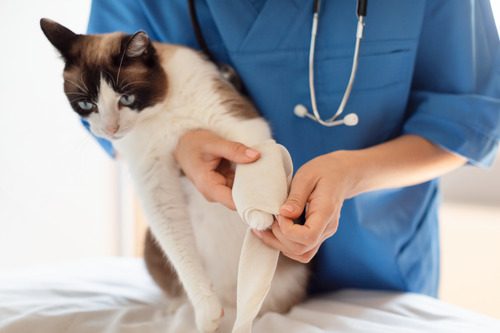
Why “My Cat Is Limping But Still Jumping And Running” Happens
Cats can appear to be functioning normally even when something’s not quite right. Limping, also called lameness, is a common issue that pet owners notice, especially when their cat seems otherwise unaffected.
Cats Mask Pain Well
One reason your cat may limp but still leap around the house is their strong survival instinct. In the wild, showing signs of weakness could put them at risk from predators. That instinct carries over into domestic life. A cat might only show subtle signs of discomfort, and unless the pain becomes severe, they may continue to jump, climb, and run.
The Limp May Be Intermittent
Sometimes the issue causing the limp isn’t constant. Mild sprains, minor bruises, or joint flare-ups might only bother your cat after rest or during certain movements. That could explain why the limp is visible at times but not during their more energetic moments.
Compensation Can Mask the Severity
Cats can shift weight off a sore limb and rely on their remaining legs to move more comfortably. This compensation can make it seem like your cat is fine when running or jumping, even though something’s wrong.
What Causes Limping in Active Cats?
When someone asks, “My cat is limping but still jumping and running. What could be wrong?” The answer often lies in one of several common conditions.
Soft Tissue Injuries
Sprains, strains, or bruises from rough play, awkward landings, or slips can lead to limping. These injuries might not stop a determined cat from exploring or launching onto the windowsill, but they can still cause discomfort.
Paw Pad or Nail Issues
A pebble, thorn, or small cut on the paw pad can lead to a limp. Similarly, a broken claw or ingrown nail can cause irritation that worsens with certain movements. Yet, a cat may only show signs of favoring the paw after walking or landing.
Joint Pain or Inflammation
Even young cats can experience joint problems due to genetic conditions or past injuries. Inflammation may not affect all activities the same way. You might notice your cat limping after naps but running normally once they’ve warmed up.
Minor Dislocations or Fractures
It’s possible for a cat to suffer a mild fracture or partial dislocation and still appear to move without much difficulty. Over time, though, this kind of injury can worsen if not addressed.
Foreign Objects or Bites
Outdoor cats (and even some indoor explorers) may encounter insect bites, bee stings, or tiny splinters that lead to temporary swelling and discomfort. These can cause limping while still allowing them to stay mobile.
Subtle Signs to Watch in an Otherwise Active Cat
If “my cat is limping but still jumping and running” is a daily observation, look for additional signs that might indicate discomfort or injury.
Behavior Changes
A cat in pain might become more withdrawn, less tolerant of petting, or show a drop in grooming. They may also avoid using a litter box that requires climbing into or refuse to walk across certain surfaces.
Gait or Posture Adjustments
Even while running or jumping, your cat might slightly alter how they carry themselves. Look for uneven landings, slower movements after rest, or shifting weight off one side when sitting.
Vocalizations or Hesitation
If your cat hesitates before making a jump or lets out a soft meow when landing, those could be signs they’re pushing through discomfort. Many cats won’t cry out in obvious pain, so small clues like this matter.
Signs It’s Time Contact Your Veterinarian
Not every limp means a serious problem, but it’s always smart to have your cat evaluated if the limp persists longer than a day or two, especially when the reason isn’t clear.
- Consistent or Worsening Limp: If your cat’s limp has stayed the same or worsened, even if they still seem active, it’s worth bringing them in for a closer look. Persistent limping could indicate a condition that needs medical attention.
- Signs of Swelling or Heat: Visible swelling or warmth around a joint or paw could mean inflammation or infection. These signs can escalate quickly and may require professional care.
- Limping Paired With Lethargy or Loss of Appetite: If the limp is accompanied by unusual tiredness, hiding, or a decrease in appetite, it’s time to book an appointment. These symptoms together may suggest a deeper issue.
Cats can be masters of disguise when it comes to discomfort, which makes your observations incredibly important. If your cat’s been limping but still jumping and running, it could be something minor or it could be the beginning of a bigger issue. Whether the cause is a soft tissue injury, joint concern, or a foreign object lodged in a paw, having your veterinarian assess the situation can help prevent complications down the road. At Lagniappe Animal Health in Ruston, we provide compassionate, thorough care to help pets stay active and comfortable. If your cat’s limp hasn’t gone away, or you’re unsure about their behavior, give us a call at (318) 255-3303 or book a visit online.
