
Sleeping Cat Behavior: What’s Normal and What’s Not
Cats are famously good at sleeping and they do a lot of it. But while it’s no surprise to find your cat curled up in a sunny spot throughout the day, it’s worth understanding what “normal” really means when it comes to sleeping cat behavior. Whether you’re a first-time cat owner or you’ve shared your home with cats for years, noticing changes in how or when your cat sleeps can raise questions. Is your cat simply enjoying a nap, or is something else going on? This blog explores the different patterns and positions you may see in a sleeping cat, what they can mean, and when a shift in sleep habits might signal something more. If you have concerns about your cat’s sleeping behavior, call Lagniappe Animal Health at (318) 255-3303 or schedule an appointment with us.
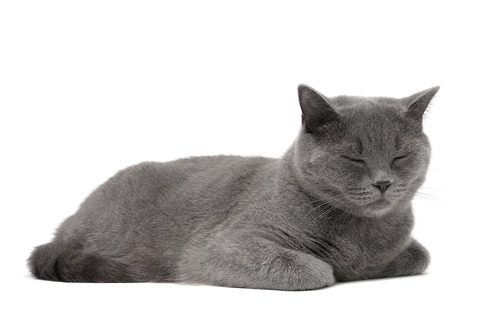
How Much Sleep Does a Cat Really Need?
Adult cats typically sleep anywhere between 12 and 16 hours a day. Some can sleep even more, especially as they age. Kittens and senior cats often exceed this range, logging up to 20 hours of sleep per day. This might seem excessive, but it’s a normal part of feline biology. Cats are crepuscular by nature, meaning they’re most active during dawn and dusk. The rest of the time, they’re resting and recharging.
Cats conserve energy because, in the wild, hunting takes bursts of intense effort. While your indoor cat isn’t chasing prey, those instincts remain. A sleeping cat might look peaceful, but their brain is often alert enough to respond to changes in the environment, especially during light sleep cycles. If your cat suddenly starts sleeping far more or far less than usual, it may be time to look closer at what’s behind the change. Sometimes it’s just a change in the household routine. In other cases, it may signal a health concern worth investigating.
Common Sleeping Positions and What They May Indicate
Cats are expert contortionists when they sleep, and their sleeping positions often reflect how they feel, both physically and emotionally.
Curled in a Ball
This classic position involves the cat tucking its paws and tail close to its body and forming a compact circle. It’s a protective posture that helps retain body heat. A sleeping cat curled in this position may simply be conserving warmth or feeling a bit cautious about its surroundings.
Loaf Position
When a cat sits with its paws and tail tucked beneath its body and eyes partially closed, it’s often in a light doze. This position allows a quick transition from sleep to alertness. Cats in the loaf position are resting but still paying attention to the environment.
Belly-Up
A cat exposing its belly while sleeping signals total trust and comfort. The stomach is a vulnerable area, so if your cat sleeps belly-up, they likely feel safe in their environment. However, some cats may sleep this way to cool off, especially on hot days.
Side Sleeping
Side sleeping is another sign of comfort. Cats in this position are usually in deep sleep. You may notice twitching whiskers, paws, or eyelids, which indicates that your sleeping cat has entered the REM cycle and could be dreaming.
Hidden or Tucked Away
Some cats prefer to sleep in enclosed or dark spaces, such as under a bed or inside a closet. This can be a sign of a shy or cautious personality, but it could also mean your cat is feeling unwell. A sudden shift from open napping spots to hiding may be worth checking with your veterinarian.
Why Your Cat Sleeps So Much During the Day
Since cats are naturally more active in the early morning and evening, it’s completely normal for them to sleep through the majority of the daylight hours. However, your cat’s daily routine may also be shaped by your schedule. If your cat is left alone during the day, they may spend most of that time sleeping and become more active once the house is full again.
Cats may also sleep more when the weather is colder, during times of stress, or after periods of heightened activity. If your sleeping cat suddenly begins to rest in new locations or changes their napping schedule significantly, it’s helpful to assess whether anything in the home environment has changed, like construction noise, new pets, or a move. If your cat seems unusually lethargic or disinterested in food or play, even during their usual waking hours, it may be more than just sleep. Reach out to Lagniappe Animal Health at (318) 255-3303 for a full evaluation.
Signs a Sleeping Cat Might Not Be Feeling Well
While cats naturally sleep a lot, changes in sleeping habits can sometimes point to underlying health issues. Knowing what to watch for can help you determine when to take your cat to the vet.
Unusual Lethargy
It’s one thing for your cat to sleep 16 hours a day. It’s another if they seem groggy or weak when they’re awake. A lack of energy that continues across several days may indicate an illness or pain.
Sleeping in New or Isolated Locations
If your cat starts hiding while sleeping or choosing odd, out-of-the-way spots, it may be their way of coping with discomfort. Cats in pain often seek solitude.
Restless Sleep or Disrupted Sleep Patterns
Tossing, frequent vocalizations, or waking often during rest could be signs of physical discomfort or anxiety. Restless sleep that becomes a pattern should be discussed with your vet.
Sleeping With Other Symptoms
If your cat’s increased or decreased sleep comes with vomiting, diarrhea, changes in appetite, weight loss, or excessive thirst, those combined signs could point to a medical issue that needs prompt attention.
Age Matters: How Sleeping Habits Shift Over Time
Just like people, cats’ sleep needs and patterns evolve with age.
Kittens
Kittens often sleep up to 20 hours a day. Their bodies are growing quickly, and sleep supports that development. Bursts of high activity followed by deep sleep are completely normal during kittenhood.
Adult Cats
Between 1 and 7 years old, adult cats usually settle into a consistent sleep-wake rhythm. You’ll likely notice patterns that align somewhat with your own daily routine, especially if your cat has lived with you since kittenhood.
Senior Cats
Cats over the age of 10 may start sleeping even more than they did in adulthood. That said, excessive sleeping paired with behavioral changes or mobility issues should be assessed to rule out age-related health concerns such as arthritis or cognitive dysfunction.
Environmental Factors That Affect a Sleeping Cat
Your home plays a big role in how well and how often your cat sleeps. While cats can nap just about anywhere, they’re selective about where they feel most at ease.
Temperature and Light
Cats often seek out warm, cozy spots, particularly near windows or heating vents. Natural light can also influence sleep cycles. If your cat seems sluggish during winter months, shorter daylight hours may be part of the reason.
Noise and Household Activity
Loud noises, frequent guests, or new pets can disrupt a cat’s sleep. If your home has recently become louder or more active, try setting up a quiet, designated sleep area for your cat where they can rest undisturbed.
Furniture and Surfaces
Soft, elevated surfaces tend to be favorites for many cats. If your cat has suddenly abandoned their usual nap spots, inspect them for discomforts like drafts, clutter, or changes in texture that could be pushing your cat elsewhere.
When to Schedule a Veterinary Check for Changes in Sleep
If your cat’s sleep behavior has changed and you’re not sure why, it’s always best to err on the side of caution. While cats do have wide-ranging sleep patterns, significant changes, especially when paired with other symptoms can point to health issues. A veterinary exam helps rule out concerns and ensures your cat continues to feel their best. Lagniappe Animal Health in Ruston, LA is here to help. Call us at (318) 255-3303 or book an appointment online to have your sleeping cat evaluated by our experienced team.
Encouraging Healthy Rest for Your Cat at Home
Cats thrive when they have a comfortable, safe space to rest. While it’s true that your sleeping cat doesn’t need much to be content, small changes in the home can support better rest. Offer cozy, elevated beds in quiet parts of the house, and provide access to both sunlit and shaded areas. Keep a consistent routine, especially around feeding and playtime, so your cat’s energy levels remain balanced.
By paying attention to your cat’s sleep habits and knowing what to expect, you’ll feel more confident identifying what’s normal and what may need a vet’s insight. And if questions come up, Lagniappe Animal Health is just a call or click away. Reach us at (318) 255-3303 or schedule a visit online.
