
Why Does My Dog Lay On Me? Decoding Their Cuddly Behavior
Few things feel more comforting than having your dog curl up on your lap or sprawl across your chest after a long day. For many pet parents, it’s a daily ritual, but have you ever wondered, “Why does my dog lay on me so often?” Is it affection? Protection? A sign of something deeper? While this behavior may seem simple, it actually carries a range of emotional and instinctual meanings. We’ll explore what motivates this cozy habit, how to interpret your dog’s body language, and when their cuddling might signal something more. If you’re curious about your pet’s behaviors and want insight into what they may be trying to tell you, keep reading. And if you’d like to speak with a veterinarian, call Lagniappe Animal Health in Ruston at (318) 255-3303 or schedule an appointment online.
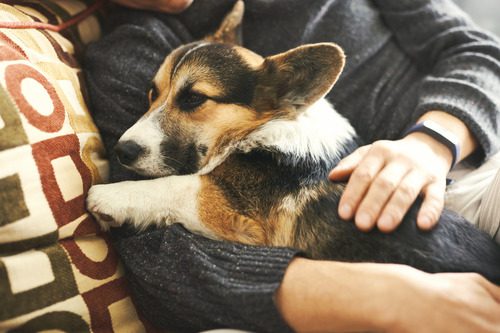
Affection and Bonding Are Often at the Heart of It
One of the most common answers to why does my dog lay on me is simply love. Dogs are social animals, and physical closeness is one of their primary ways of showing affection. Lying on you might be your dog’s version of a hug or snuggle session, especially if the behavior is accompanied by relaxed body language, tail wagging, or soft eyes.
Dogs Are Wired for Companionship
Dogs have evolved alongside humans for thousands of years, and over time, they’ve developed strong instincts to bond with their caregivers. Lying close or directly on you strengthens that connection. It helps them feel secure, and it may even release oxytocin, which is the hormone linked to trust and bonding, for both of you.
Physical Contact Builds Trust
If your dog consistently seeks out your lap or rests against your legs, it could be their way of saying, “You’re my safe place.” Dogs who trust their owners tend to seek them out during rest because they feel protected and content in their presence. This trust is especially strong in dogs who have lived in the same home for several years or who formed a secure bond during early life stages.
Your Dog Might Be Seeking Warmth or Comfort
Sometimes the answer to why does my dog lay on me is more practical than emotional. Dogs naturally gravitate toward warm, soft spaces for rest, and your lap checks all the boxes. On cooler days or in air-conditioned homes, your body heat may be especially appealing.
Body Heat and Soft Surfaces Matter
Just like humans enjoy cozy blankets and warm beds, dogs enjoy warmth and softness. Your lap or chest may provide more comfort than a dog bed, especially if your dog is small or short-haired. This is even more likely if they burrow, nestle in blankets, or sleep curled tightly.
Comfort Can Reduce Stress
Physical closeness may also help your dog decompress. If they’ve had a stimulating day or if there’s something in the environment that’s unfamiliar like a thunderstorm or fireworks, they may seek your presence for comfort. Lying on you provides a sense of security and can help them feel grounded.
Pack Instincts and Protective Behavior
When thinking about the question, “Why does my dog lay on me?”, it’s worth looking at canine pack dynamics. In the wild, dogs sleep in close quarters to protect one another and maintain their social structure. Even though your dog lives indoors, those instincts are still alive and well.
Staying Close Is a Sign of Loyalty
Laying on you may be your dog’s way of fulfilling their pack instinct to stay near important members of their group: you. For some dogs, this behavior is especially strong in the evening, when they naturally feel more vulnerable and want to be close to those they trust most.
Some Dogs Take on a Guarding Role
In certain cases, dogs may position themselves on you as a way to “guard” you from perceived threats. While this behavior may come from a place of loyalty, it can lead to resource guarding or overprotectiveness in some dogs. If your dog growls when others approach while they’re on you, it might be worth discussing their behavior with a veterinary professional.
Anxiety, Insecurity, or Separation Concerns
Not every instance of laying on you is a sign of affection or instinct. If your dog seems overly dependent on physical closeness or becomes distressed when you’re not available, their behavior could be rooted in anxiety.
Signs of Attachment-Based Behavior
If your dog follows you around constantly, vocalizes when you leave the room, or refuses to sleep anywhere but on you, they might be experiencing separation-related stress. Lying on you could be their coping strategy. While some closeness is natural, excessive clinginess can affect their long-term well-being.
When to Seek Guidance
If you suspect your dog’s behavior is driven by anxiety, especially if it’s new or combined with other changes like loss of appetite, panting, or pacing, it’s a good idea to consult with your veterinarian. Call Lagniappe Animal Health at (318) 255-3303 to schedule a behavioral consultation.
Puppies and Newly Adopted Dogs May Need Extra Reassurance
If you’ve recently welcomed a new dog into your life, you might be asking, “Why does my dog lay on me?” more often than you expected. The answer could be their need for reassurance as they adapt to a new environment.
New Surroundings Can Feel Overwhelming
Young puppies and newly adopted dogs often experience stress in new homes. Your presence provides them with a consistent, calming influence. Lying on you can ease the transition and help them build confidence in their new surroundings.
Building Positive Associations
Allowing your new dog to lay on you (as long as you’re comfortable with it) can support healthy bonding. This closeness can help them associate you with safety, warmth, and security, laying the groundwork for a trusting relationship as they settle in.
Is It Okay to Let My Dog Lay On Me?
There’s no one-size-fits-all answer here. Whether this behavior is welcome or not depends entirely on your preferences and your dog’s personality. That said, understanding why it’s happening can help you decide how to respond.
Setting Boundaries When Needed
If you enjoy snuggling with your dog, there’s no harm in letting them continue as long as the behavior isn’t driven by anxiety or becoming disruptive. But if it’s affecting your sleep, posture, or personal space, it’s okay to gently set boundaries. Encourage your dog to use a nearby dog bed or cozy blanket, especially if they still want to be close without direct contact.
Communication and Consistency
Dogs respond well to clear, consistent cues. If you decide to change how you handle this behavior, try using gentle redirection and positive reinforcement. Reward your dog for staying on their bed or lying near you instead of on you.
Recognizing the Deeper Meaning Behind the Habit
When you ask yourself, “Why does my dog lay on me?”, you’re tapping into one of the many ways dogs communicate without words. Whether it’s a gesture of love, a comfort-seeking instinct, or a signal of anxiety, this behavior carries important emotional weight. Paying attention to context, for example, your dog’s body language, environment, and daily patterns, can help you better understand their motivations. If you ever have questions about your dog’s behavior or want to explore it further, the team at Lagniappe Animal Health is happy to help. We’re proud to support pet families across Ruston with experienced, compassionate care. Call us today at (318) 255-3303 or book your appointment online.
